SWAVYA is the structure that allows people to come together, work together within what the land can sustain, and learn from every success and every failure so each implementation is faster and less costly than the last.
The goal is to help people and communities become more self-sustaining by making better use of what already exists, and to build the largest living record of how the Earth and its people regenerate.
When a project ends, the people move on and what they learned usually goes with them. The next project begins again from the start.
SWAVYA keeps what each project learns: what worked, what failed, what things cost, and who solved the hard parts. A community beginning a project finds a system that already knows the local failure modes and what the land held last time.
↻ then round again. every project adds to what the next one knows
Each project is cheaper, faster, and less likely to fail than the one before.
Before a project moves, it is checked against what the place can carry: land, water, and culture. A project goes ahead only if the area can regenerate what it uses. This gate holds the same way every time.
Growth through SWAVYA stops where regeneration stops.
From a proposal to finished work that is recorded and open to view.
Bring a project.
Raise a need.
Offer a skill, time, or a contact.
A project can come from one person or a whole village. A need or an offer can come from anyone, anywhere.
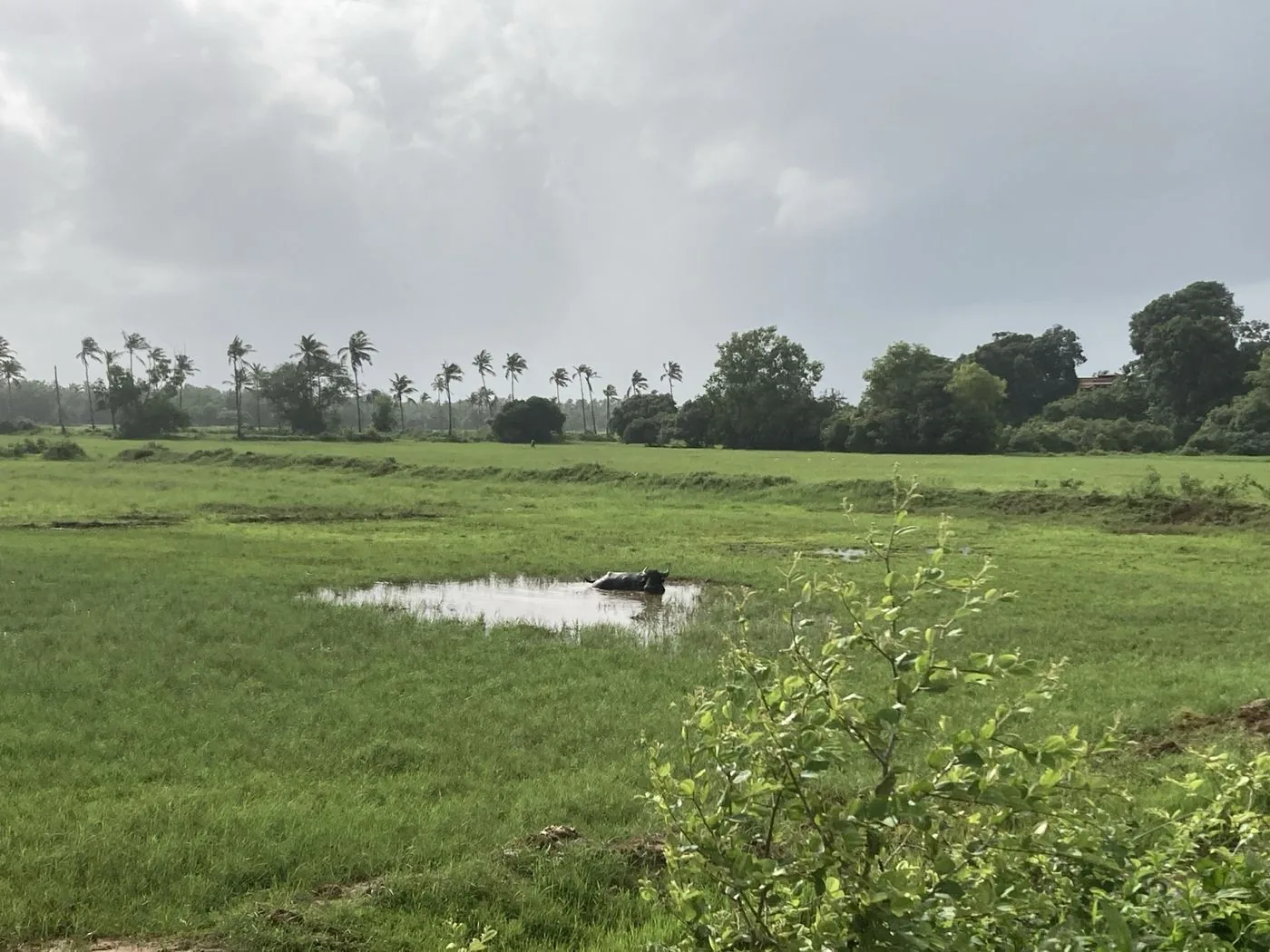
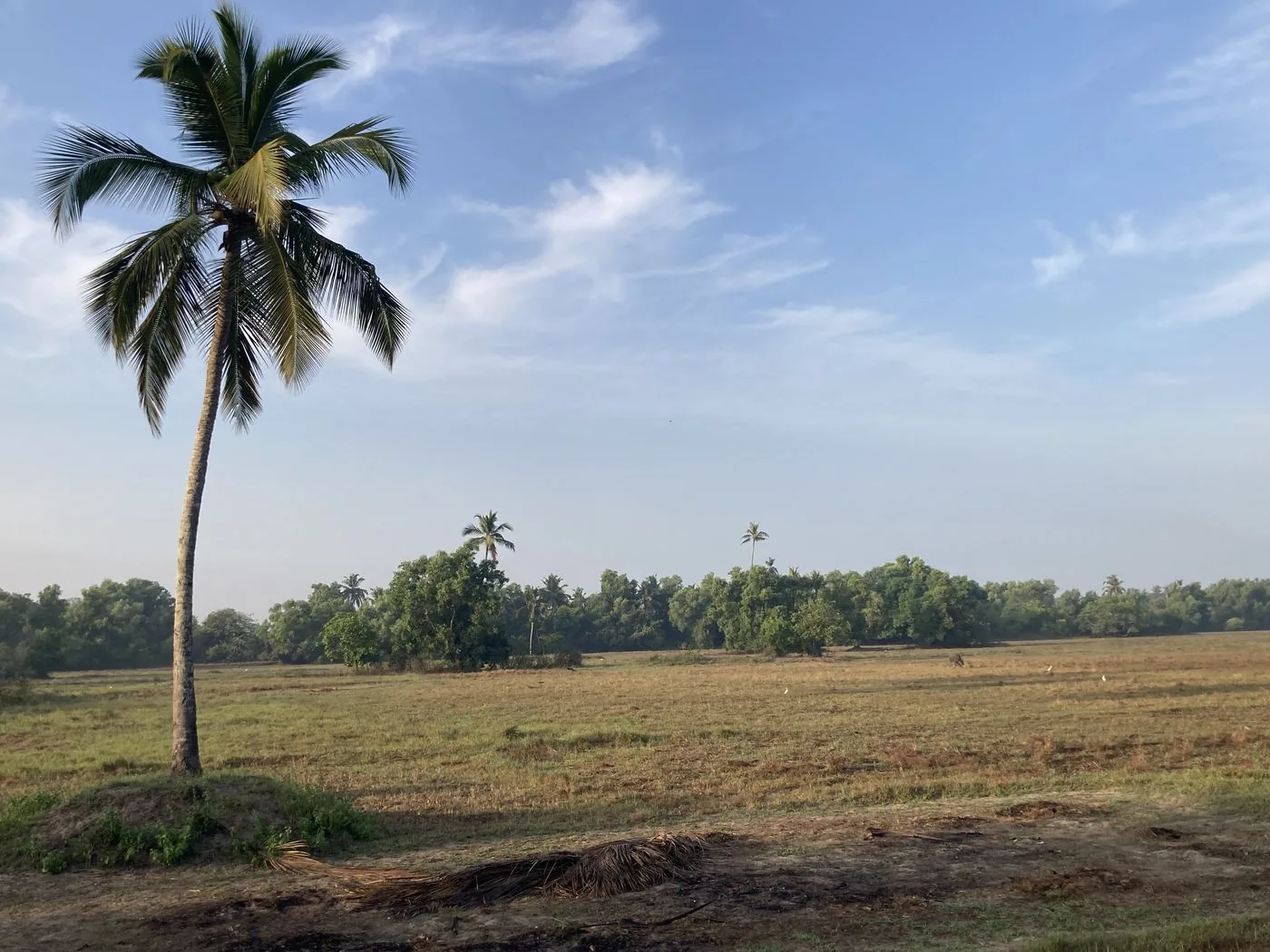
The pilot runs in one village in Goa. Then the rest of Goa. Then open, one ecosystem at a time, each new place starting from the record every earlier place built.
The goal is to help people and communities become more self-sustaining by making better use of what already exists, and to build the largest living record of how the Earth and its people regenerate.
Funding is for the work only. Funders do not get a say in decisions. The community decides.